

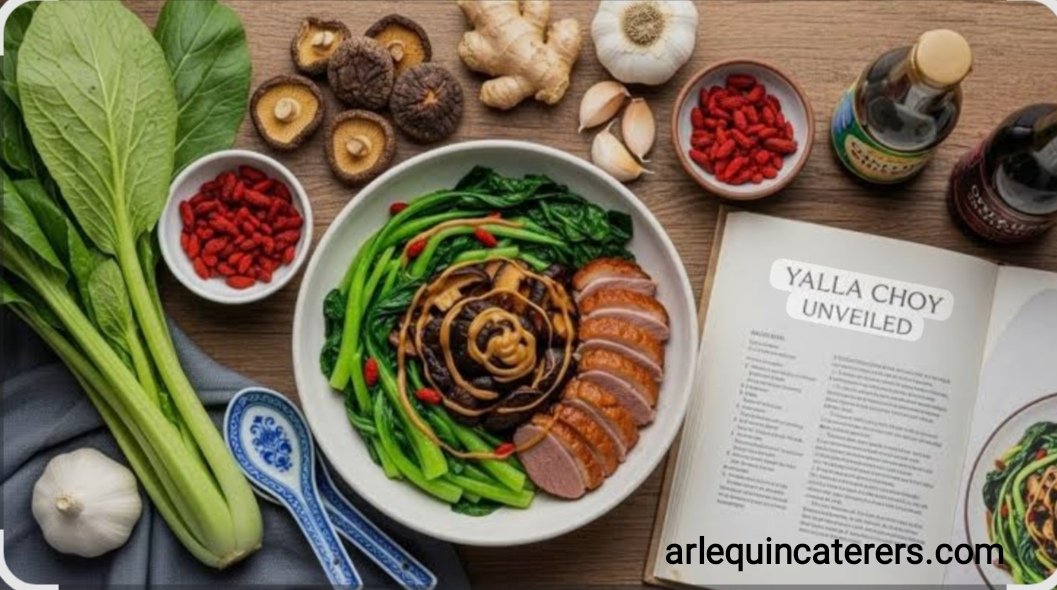
Yalla choy, often overshadowed by its more popular counterparts, is a treasure waiting to be discovered in global cuisine. This vibrant green leafy vegetable boasts a rich history and an array of nutritional benefits that make it a must-try for food enthusiasts and health-conscious individuals alike. As culinary cultures blend and evolve, yalla choy has carved out its niche, enhancing dishes from different corners of the world. Join us as we delve into this fascinating ingredient’s journey through time and flavor!
What is Yalla Choy?
Yalla choy, also known as Chinese mustard greens, is a leafy vegetable belonging to the Brassica family. With its vibrant green leaves and crisp texture, it adds both flavor and color to various dishes.
Originating from East Asia, yalla choy has been a staple in many traditional cuisines for centuries. Its slightly peppery taste makes it a versatile ingredient that can be enjoyed raw or cooked.
This hardy plant thrives in cool climates and grows quickly, making it popular among home gardeners. As more people seek healthy alternatives in their diets, yalla choy is gaining recognition worldwide for its culinary potential.
Nutritional Benefits of Yalla Choy
Yalla choy is a green leafy vegetable packed with essential nutrients. It’s an excellent source of vitamins A, C, and K, which play crucial roles in maintaining healthy skin and supporting the immune system.
Rich in antioxidants, yalla choy helps combat oxidative stress in the body. This can aid in reducing inflammation and promoting overall health.
Additionally, its high fiber content contributes to digestive health by keeping your gut functioning efficiently. Incorporating yalla choy into your meals not only enhances flavor but also boosts their nutritional value significantly.
How Yalla Choy is Used in Different Cuisines
Yalla choy, known for its tender leaves and vibrant flavor, plays a versatile role in various cuisines. In Southeast Asian dishes, it often appears stir-fried with garlic and chili, enhancing the meal’s overall taste.
Chinese cuisine frequently incorporates yalla choy in soups or as a side dish to complement rice and meat. Its subtle bitterness balances rich flavors beautifully.
In Western kitchens, chefs are exploring yalla choy’s potential by adding it to salads or smoothies. This unique vegetable provides a refreshing twist while boosting nutritional content in everyday meals.
Where to Source Yalla Choy and How to Incorporate It Into Your Cooking
Yalla choy can be found at Asian grocery stores, farmers’ markets, and some supermarkets. Look for fresh bunches with vibrant green leaves and firm stems. Organic options may also be available if you’re looking for pesticide-free produce.
Incorporating yalla choy into your cooking is simple. Add it to stir-fries or soups for a burst of flavor and nutrients. It pairs well with garlic, ginger, and soy sauce, enhancing its natural taste.
You can also steam yalla choy as a side dish or toss it into salads for extra crunch. Its versatility makes it easy to enjoy in various meals throughout the week.
Comparing Yalla Choy with Other Superfoods
Yalla choy stands out among superfoods due to its unique flavor and impressive nutrient profile. Unlike kale or spinach, which are often recognized for their iron content, yalla choy offers a delightful crunch combined with essential vitamins A and C.
When comparing it to quinoa, another popular superfood, yalla choy excels in hydration. Its high water content makes it a refreshing addition to salads and dishes.
Moreover, while chia seeds boast omega-3 fatty acids, yalla choy provides dietary fiber that supports digestive health. This leafy green truly holds its own in the vibrant world of nutritious foods.
Significance and Popularity of Yalla Choy in Modern Diets
Yalla choy has gained remarkable popularity in modern diets, particularly among health enthusiasts. Its vibrant green leaves offer a fresh and nutritious option for those seeking to enhance their meals.
This leafy vegetable is often included in salads, soups, and stir-fries, making it versatile enough to fit various culinary styles. The growing trend of plant-based eating has further propelled yalla choy into the spotlight.
As more people become aware of its nutritional benefits, it’s increasingly found on restaurant menus and grocery store shelves. This rise reflects a broader shift towards incorporating nutrient-rich foods in everyday cooking.
Understanding the Importance of Yalla Choy Traditionally and Today
Yalla choy has a rich heritage that transcends cultures and cuisines. Traditionally, it was valued not just for its flavor but also for its medicinal properties. Many communities used yalla choy in traditional remedies, recognizing its potential to boost health. Today, as the world shifts toward healthier eating patterns, this leafy green continues to gain traction.
Modern diets increasingly embrace yalla choy due to its nutrient density and versatility. Chefs and home cooks alike find innovative ways to incorporate it into meals. From salads to stir-fries, yalla choy adds a unique taste while providing essential vitamins and minerals.
As people seek out wholesome ingredients with historical significance, yalla choy stands out as both a culinary delight and nutritional powerhouse. Its ongoing popularity reflects an appreciation for foods that nourish the body while celebrating cultural traditions. Embracing yalla choy is not only about enjoying delicious dishes; it’s about honoring the past while nurturing future generations with wholesome choices.