
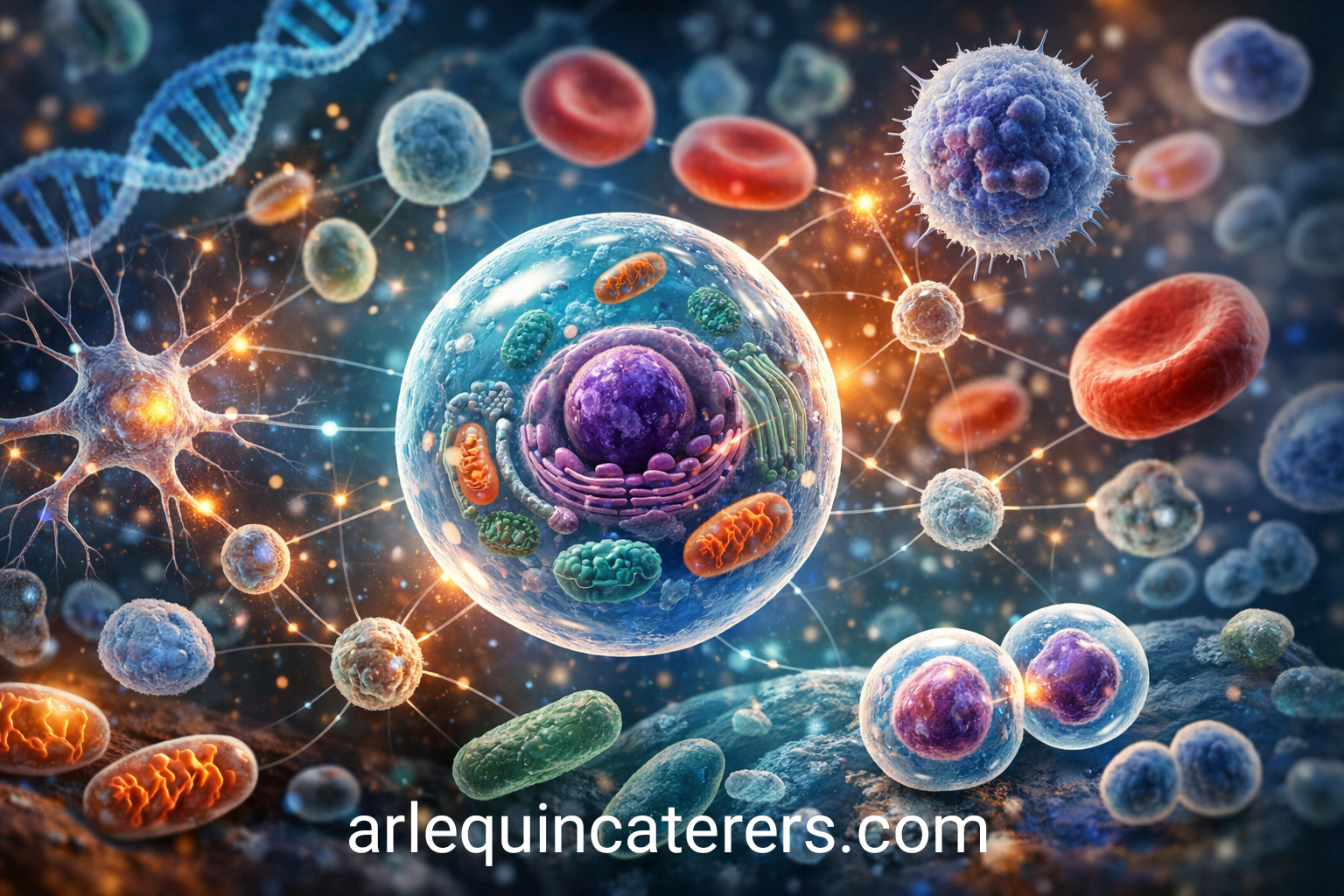
Cellulogia is making waves in the scientific community, but what exactly sets it apart from traditional cell biology? As we delve into this fascinating topic, you’ll discover how these two fields approach the mysteries of life at a cellular level. Whether you’re a seasoned researcher or simply curious about science, understanding their differences could unlock new insights and applications. Let’s explore the unique features of cellulogia and see how it redefines our comprehension of cells and their functions.
Cellulogia vs. Traditional Cell Biology: What’s the Difference?
Cellulogia focuses on the intricate interactions and behaviors of cells in their natural environments, emphasizing dynamic processes. In contrast, traditional cell biology often centers on isolated aspects of cellular structure and function. While both fields aim to unravel life’s complexities, cellulogia offers a more holistic perspective that is increasingly relevant in today’s research landscape.
Understanding the Basics
Cellulogia and traditional cell biology both explore the complexities of cellular structures. Cellulogia focuses on understanding cells through a more holistic approach, emphasizing their interactions and environments. Traditional cell biology, however, tends to concentrate on individual cellular components and functions. Both fields contribute unique insights that enhance our comprehension of life’s fundamental building blocks.
Cellulogia
Cellulogia is an innovative field focused on understanding the intricate world of cellular structures and their functions. It blends advanced technology with biological insights to explore how cells interact, adapt, and influence health. This approach opens new avenues for research, offering fresh perspectives on cellular behavior crucial for advancements in medicine and biotechnology.
Traditional Cell Biology
Traditional cell biology focuses on understanding the structure and function of cells through techniques like microscopy and biochemical assays. This discipline explores cellular processes, organelles, and interactions within various organisms. It has laid the groundwork for significant discoveries in health, disease mechanisms, and development. Researchers often rely on this foundational knowledge to advance modern biological sciences.
The Science Behind
Cellulogia dives deep into the molecular structures and interactions within cells, focusing on their dynamic behaviors. This innovative approach employs advanced imaging techniques and computational modeling to unravel cellular mechanisms. Traditional cell biology, meanwhile, relies more on established methods like microscopy and staining practices. Each has its strengths, but Cellulogia opens doors to understanding complexities that traditional methods may overlook.
Cellulogia Approach
Cellulogia takes a holistic approach, focusing on the intricate relationships within cellular environments. It emphasizes how cells interact with each other and their surroundings rather than studying them in isolation. This perspective enables researchers to explore new dimensions of cell behavior, leading to innovative treatments and therapies that target underlying issues at the cellular level, not just symptoms.
Traditional Cell Biology Principles
Traditional cell biology focuses on the structure and function of cells. It examines components like organelles, membranes, and cytoplasm through microscopy and biochemical techniques. This foundational discipline explores cellular processes such as metabolism, signaling, and division. By understanding these principles, researchers can unravel complex biological systems and contribute to advancements in health and medicine.
Application and Results
Cellulogia offers innovative applications across various fields, from regenerative medicine to cosmetic enhancements. By targeting cellular structures and functions, it promotes healing and rejuvenation. Results often showcase improved tissue integrity and accelerated recovery times. In contrast, traditional cell biology methods may focus more on understanding processes rather than directly applying them for immediate benefits in real-world scenarios.
Cellulogia in Practice
Cellulogia is making waves in various fields, especially skincare and health. By analyzing cellular interactions, it offers targeted solutions for issues like aging and inflammation. Practitioners often customize treatments based on individual responses, enhancing effectiveness. This personalized approach not only boosts results but also fosters a deeper understanding of cellular behavior in everyday applications.
Traditional Cell Biology in Research
Traditional cell biology focuses on understanding cellular structures and functions through methods like microscopy and biochemical analysis. Researchers explore how cells communicate, replicate, and respond to their environment. This foundational knowledge aids in uncovering disease mechanisms, developing therapies, and enhancing biotechnology applications. Despite advancements, traditional techniques remain crucial for comprehending the complexities of life at a cellular level.
Popular Myths and Realities
Many believe cellulogia is merely a trend. In reality, it offers innovative insights into cellular mechanisms that traditional methods overlook. Another myth suggests that it’s only for advanced researchers, but its principles are accessible to all curious minds. Understanding these nuances helps demystify the field and promotes broader engagement in cellular studies.
Cellulogia Misconceptions
Many believe cellulogia is merely a trend or lacks scientific backing. In reality, it harnesses advanced techniques to explore cellular functions and interactions. Some think it’s only for skincare, while its applications extend far beyond that, influencing medicine and biotechnology too. Misunderstanding its scope limits appreciation for this innovative field and the breakthroughs it can offer.
Traditional Cell Biology Facts
Traditional cell biology focuses on the structure and function of cells. It examines cellular components like organelles, membranes, and cytoplasm. Techniques such as microscopy reveal intricate details. This discipline has been pivotal in understanding life processes, disease mechanisms, and genetic inheritance. Its foundational principles continue to shape modern biological research and medicine today.
User Experiences
Many users have reported transformative experiences with cellulogia. They highlight improved skin texture and reduced cellulite appearance as key benefits. Enthusiasts appreciate the holistic approach, noting that it often complements traditional methods. Testimonials frequently mention enhanced confidence and overall well-being, suggesting that this innovative field resonates deeply with those seeking effective solutions for their skin concerns.
Cellulogia Success Stories
Cellulogia has transformed countless lives, particularly in skin care. Many users report remarkable improvements in elasticity and texture after incorporating cellulogia treatments into their routines. From reducing the appearance of cellulite to enhancing overall skin health, these success stories highlight the potential benefits of this innovative approach. Real experiences continue to inspire others seeking effective solutions for their skincare concerns.
Traditional Cell Biology Discoveries
Traditional cell biology has unveiled the intricate workings of cellular structures and functions. Discoveries like the structure of DNA, the role of organelles, and mechanisms of cell division have transformed our understanding. Groundbreaking research on stem cells and cancer biology continues to shape medical interventions, highlighting how traditional methods lay foundational knowledge for modern advancements in biotechnology.
Final Thoughts
The world of cellular research is evolving. Cellulogia presents a fresh perspective that challenges traditional methods. As scientists explore these new avenues, the potential for groundbreaking discoveries expands. Understanding both approaches can enrich our appreciation of life at the cellular level.
Whether you lean towards cellulogia or traditional cell biology, each has its merits and applications. Embracing diverse methodologies fosters innovation in science. The future holds promise as researchers blend insights from both fields to unlock mysteries hidden within cells and improve health outcomes globally.